 Authorby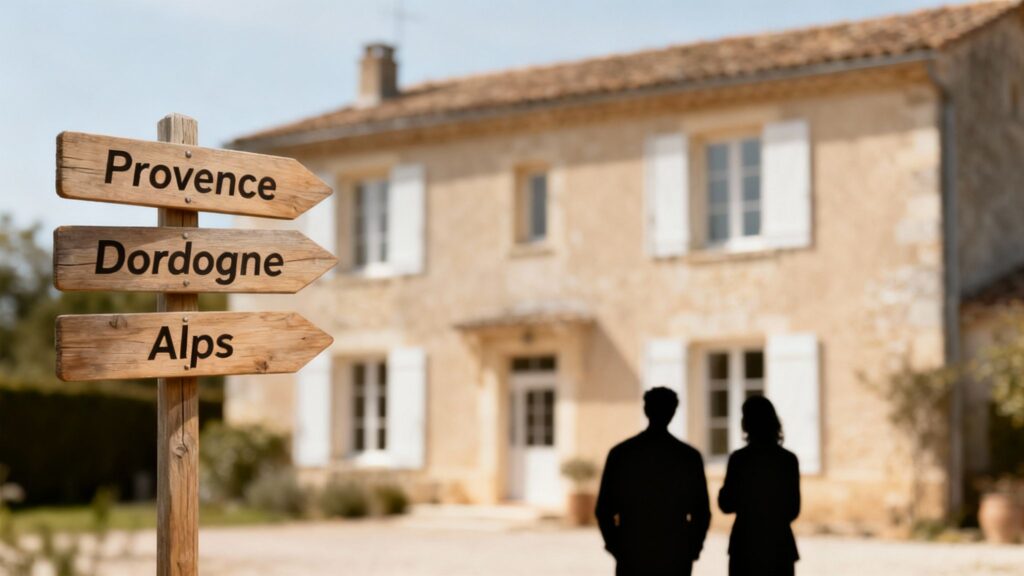
Essential Tips to Buy a House in France: From Budgeting to Final Purchase
Essential Tips to Buy a House in France: From Budgeting to Final Purchase
Buying a house in France is an exciting journey, whether you’re planning to relocate, invest, or purchase a holiday home. However, the French property market has its own legal structure, financial requirements, and buying process le grand vacation that can feel complex for first-time international buyers. Understanding each step clearly can help you avoid mistakes and secure the right property with confidence.
1. Start with a Clear Budget Plan
Before browsing listings or contacting agents, define your total budget. In France, property prices vary widely between regions—Paris and the Côte d’Azur are significantly more expensive than rural areas like Dordogne or Auvergne.
Your budget should include more than just the property price. You must also account for:
- Notary fees (around 7–8% for older properties)
- Agency fees (if applicable)
- Renovation or furnishing costs
- Taxes and ongoing maintenance
It is also important to check your borrowing capacity if you plan to use a mortgage. French banks typically require proof of income, stable financial history, and a manageable debt-to-income ratio.
2. Choose the Right Location Carefully
Location is one of the most important decisions when buying property in France. Each region offers a different lifestyle:
- Paris & Île-de-France: Urban living, high prices, strong rental demand
- South of France (Nice, Marseille, Montpellier): Warm climate, tourism-driven market
- French Alps: Ideal for ski chalets and seasonal rentals
- Rural France (Normandy, Dordogne, Brittany): Affordable homes and peaceful lifestyle
Consider proximity to transport, schools, healthcare, and shops, especially if you plan to live there full-time.
3. Understand the Buying Process in France
The French property purchase process is highly regulated and secure, but it involves several formal steps:
- Property search and viewing
- Offer submission (offre d’achat)
- Preliminary contract (compromis de vente)
- Cooling-off period (10 days)
- Final deed signing (acte de vente)
Once the preliminary contract is signed, the buyer usually pays a deposit of around 5–10%. After that, the sale is legally binding unless specific conditions (like mortgage approval) are not met.
4. Work with a Notaire and Real Estate Agent
In France, a notaire is a government-appointed legal professional who oversees the transaction. They ensure that the sale is legally valid, handle paperwork, and register ownership.
While not essential, a real estate agent can also help you find properties that match your criteria and guide you through negotiations. Always verify that the agent is officially registered.
5. Financing Your Property
Foreign buyers can obtain mortgages in France, although conditions vary. French banks usually offer loans up to 70–80% of the property value for non-residents.
Prepare documents such as:
- Proof of income
- Bank statements
- Tax records
- Identification documents
Working with a mortgage broker familiar with international clients can simplify the process.
6. Final Checks Before Completion
Before signing the final deed, carefully review:
- Property diagnostics (energy rating, structural condition, etc.)
- Land registry details
- Any existing debts tied to the property
A final walkthrough is recommended to ensure the property matches expectations.
Conclusion
Buying a house in France is a structured but rewarding process. With careful budgeting, the right location choice, and proper legal support, you can navigate the market smoothly. Whether it’s a countryside cottage or a Paris apartment, understanding each step helps turn your property dream into a secure investment.